The Function of Real-time Indexing in High-Stakes SEO
Modern Scaling and Tiered Logic in 2026
Digital marketing methods in 2026 have shifted toward a hybrid model that marries high-end handbook outreach with aggressive technical automation. The goal stays the exact same: acquiring authority in online search engine results. Nevertheless, the course to accomplishing this has become more complicated as algorithms grow more skilled at recognizing abnormal link patterns. GSA Browse Engine Ranker (SER) remains a staple in the toolkit of many technical SEOs, though its application has evolved from a direct-to-site tool into a sophisticated engine for supporting top-tier assets.The idea of tiered link structure has moved previous basic spamming. In the existing 2026 environment, professionals use automation to power the "buffer" layers that safeguard a primary site. Rather of pointing automated links at a primary company site, these links target secondary properties like visitor posts, press releases, or niche citations. This method ensures that the strongest, most costly links-- frequently described as Tier 1-- receive a boost in power without putting the main domain at threat of a manual charge.
Incorporating Automation for the local market Rankings
Regional search results page in 2026 need a high volume of geo-specific signals. Organizations operating in the surrounding area frequently struggle to compete against national brand names without a considerable number of localized backlinks. This is where a filtered GSA SER setup provides a competitive edge. By targeting regional directory sites, community online forums, and local blog sites in this region, the software application can generate a high density of geographical signals that inform search engines where a service is relevant.The key to success in this area includes rigorous filtering. Setting the software application to only publish on websites with particular keywords or within specific top-level domains makes sure that the output stays appropriate. A project focused on the nearest metro area might prioritize websites that point out regional landmarks or specific local industry terms. This develops a contextual significance that purely manual projects often lack because of the large time required to find and post on smaller, hyper-local platforms.
Technical Execution of Tiered Link Building
Success in modern-day SEO depends on Michael Swart Mastering. When a high-quality guest post is published on a significant industry website, it offers a powerful preliminary boost. However, if that guest post receives no external signals of its own, its impact can fade over time. Using GSA SER to construct a moderate number of Tier 2 links to that guest post keeps the page active in the eyes of search indexers. This second tier includes blog remarks, online forum posts, and social bookmarks that are pertinent to the guest post's topic.A normal 2026 setup includes three distinct levels:.
- Tier 1: Manual outreach, high-authority visitor posts, and specific niche edits on recognized domains.
- Tier 2: Automated posts on medium-authority websites, concentrated on contextual significance and variety.
- Tier 3: Mass automation used to index Tier 2 links, frequently including social signals and shorter-form material.
This structure guarantees that the "cash site" only engages with the cleanest, first-rate links. The automated layers provide the volume, while the manual layer supplies the trust.
Material Generation and AI Combination in 2026
One of the greatest modifications in the last couple of years has been the integration of innovative language designs into link-building software. In 2026, GSA SER is often coupled with real-time AI material generators that produce unique, readable text for every single post. Gone are the days of "spun" content that was barely legible. Existing tools can create coherent paragraphs that consist of the specific keywords pertinent to the local market while preserving a natural tone.This enhancement in content quality has actually made automated link building even more effective. Search engines are less most likely to flag a remark or an online forum post as spam if the text provides real value or adds to a conversation. When these posts are distributed throughout a large range of platforms, they develop a natural-looking link profile that includes a range of anchor texts and site types.
Managing Danger with Filtered Acquisition
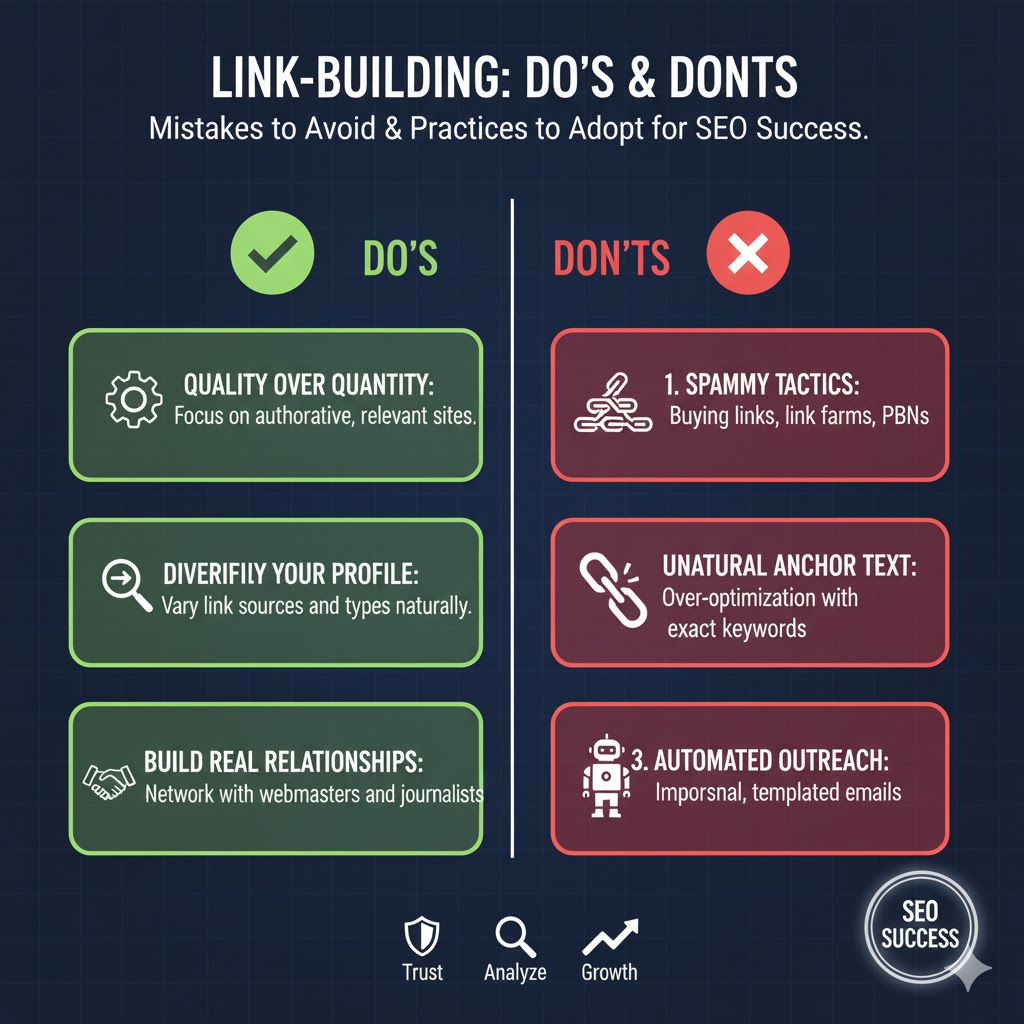
The main concern for any digital strategist is the safety of the domain. To reduce risk, the setup of automation tools need to be precise. In 2026, this suggests utilizing private proxies, high-speed captcha solvers, and rigorous domain filters. Lots of teams also use "link speed" controls to guarantee that the variety of new links appearing each day looks like a natural development pattern instead of a sudden spike of 10,000 links in an hour.Filtering by "Domain Authority" or "Trust Circulation" is another common practice. By instructing the software application to skip websites with low metrics or high spam scores, the resulting link profile stays cleaner. This is especially essential when supporting Michael Swart GSA SER Video Tutorials projects where the customer's reputation is on the line. The focus is on quality within the automated layer, not simply raw numbers.
Proxies and Indexing for Maximum Effectiveness
The hardware and infrastructure behind a 2026 link-building campaign are just as important as the software itself. Residential proxies are now the standard, as they are less most likely to be obstructed by firewall programs compared to information center proxies. These proxies allow the software to look like if it is a routine user searching from a home connection in the surrounding region. Indexing remains the final difficulty. Even the finest links are useless if the search engines never see them. Modern indexing services frequently utilize a mix of social pings and API submissions to make sure that Tier 2 and Tier 3 links are crawled. By staggering the indexing procedure, the links seem found naturally over a number of weeks, even more enhancing the appearance of organic growth.
Long-lasting Authority and Maintenance
Constructing a high-authority domain is not a one-time event but a continuous process. In 2026, the competitive nature of the digital market means that competitors are continuously adding brand-new material and links. A steady stream of automated signals ensures that a site's backlink profile remains active. If a site stops getting brand-new links, its rankings might start to slip as other more active websites move up.Monitoring the health of the tiered structure is vital. Tools that track the uptime of Tier 1 links permit strategists to change their Tier 2 automation if a high-value link goes offline. This proactive approach keeps the entire network operating effectively. The synergy in between manual "white-hat" outreach and technical automation produces a resilient structure that can endure core algorithm updates.
The Future of Automated Authority
Looking ahead towards completion of 2026, the line in between manual and automated work continues to blur. As AI becomes more incorporated into every step of the process, the effectiveness of link building will just increase. The key for companies in any competitive market is to remain notified about these technical shifts. Those who strictly stay with manual methods may discover themselves outmatched by rivals who use automation to scale their successes.Ultimately, the integration of GSA SER into a professional link acquisition strategy is about balance. It is a method to magnify the effort took into premium content and outreach. By offering a steady floor of supporting links, automation permits the most important possessions to reach their full potential in the search results, driving more traffic and visibility to the main brand.