How to Scale Your Material Without Losing Your Voice
Modern Authority Architectures in the local market
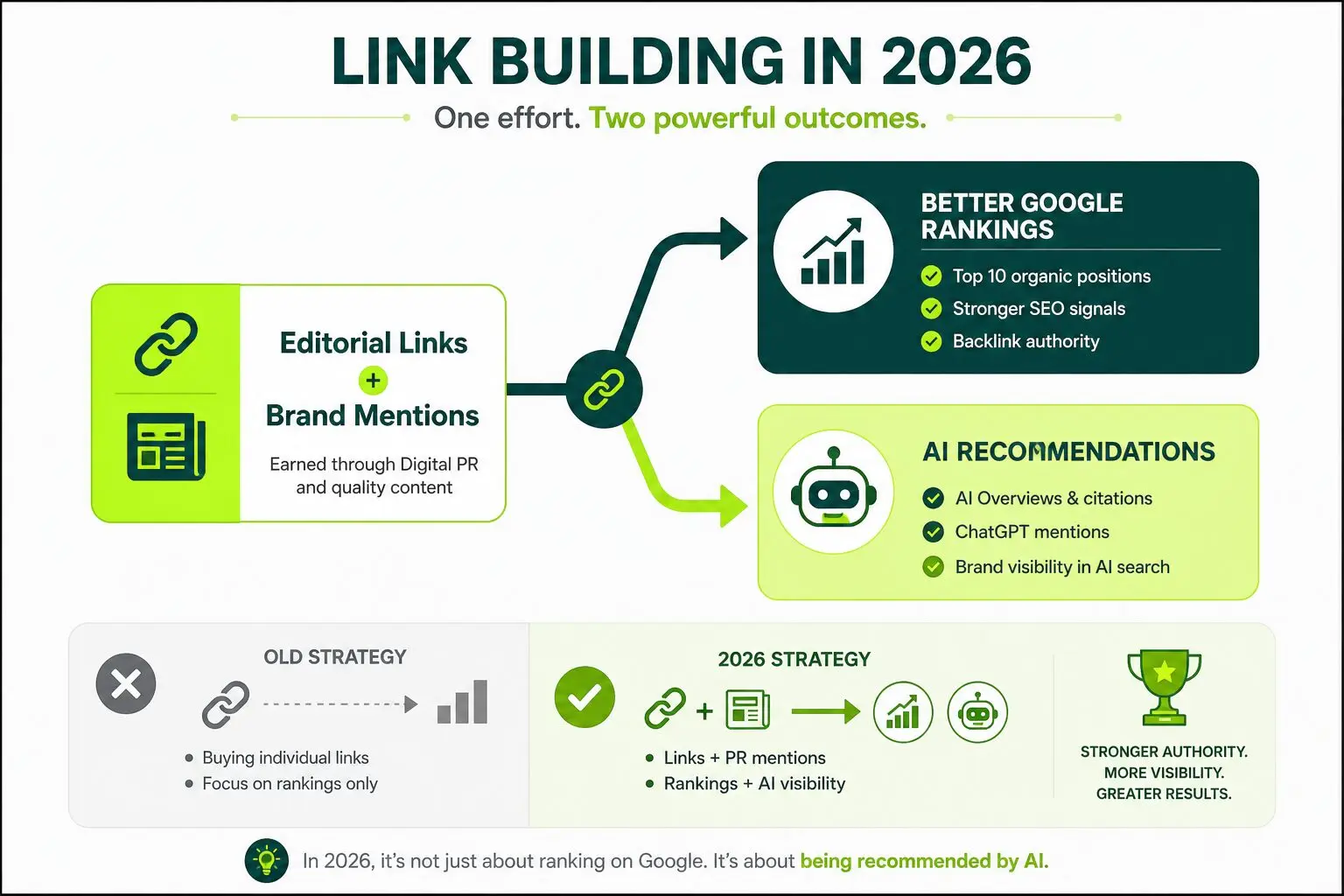
Search rankings in 2026 depend less on the raw number of backlinks and more on the structural stability of a site's profile. Simple visitor publishing or directory submissions no longer move the needle for competitive terms in the professional sector. Rather, search engines prioritize the context and the strength of the secondary nodes supporting a direct link. This shift has actually caused the rise of structural link building, a technique that deals with authority as a multi-layered building instead of a single-point connection. The objective is to construct a foundation that imitates natural web growth while preserving enough control to affect specific keyword targets.
Conventional approaches often focused on a flat profile where every link pointed straight to the homepage or a particular service page. In 2026, this technique looks suspicious to modern crawling algorithms that evaluate the "neighborhood" of a backlink. If a high-authority site links to a company, however that high-authority site has no supporting links of its own, the value passed is very little. Structural building addresses this by producing tiers. Each level of the structure has a specific purpose, making sure that the final link pointing to the main site carries the optimum possible weight. This logic applies whether a service is targeting a local audience in the region or a more comprehensive nationwide market.
Establishing the Primary Layer for specialized solutions
The first tier of any structural campaign consists of the highest quality positionings available. These are the direct links from established, high-traffic publications within an appropriate specific niche. In the present 2026 environment, these links are difficult to acquire and often represent the biggest portion of a marketing spending plan. However, their efficiency is limited if they stand alone. Focusing on Michael Swart Projects helps preserve a clean profile while supplying the essential signals to satisfy the latest algorithm updates. These tier-one links function as the "bridge" between the wider web and the specific pages a service wishes to rank.
Quality at this level is non-negotiable. Browse bots now utilize innovative semantic analysis to identify if a link exists since of real editorial merit or if it was positioned purely for SEO. To pass this test, tier-one content must provide real value to readers in the surrounding areas. It needs to solve a problem, provide data, or provide a special viewpoint on industry trends. When these links are supported by lower tiers, they end up being more resistant to the "link decay" that frequently occurs when a page loses its preliminary freshness after a few months.
Strengthening the Base with Secondary Tiers
Tier two is where structural structure really separates itself from standard outreach. The focus here is not on the main website, however on the links developed in tier one. By constructing links to the guest posts, news release, and posts that already point to the target website, an authority multiplier is created. This procedure mimics how information naturally goes viral. When a considerable post is published, other blogs and news websites usually reference it. Developing this artificial however relevant secondary layer tells online search engine that the main link is an important piece of material.
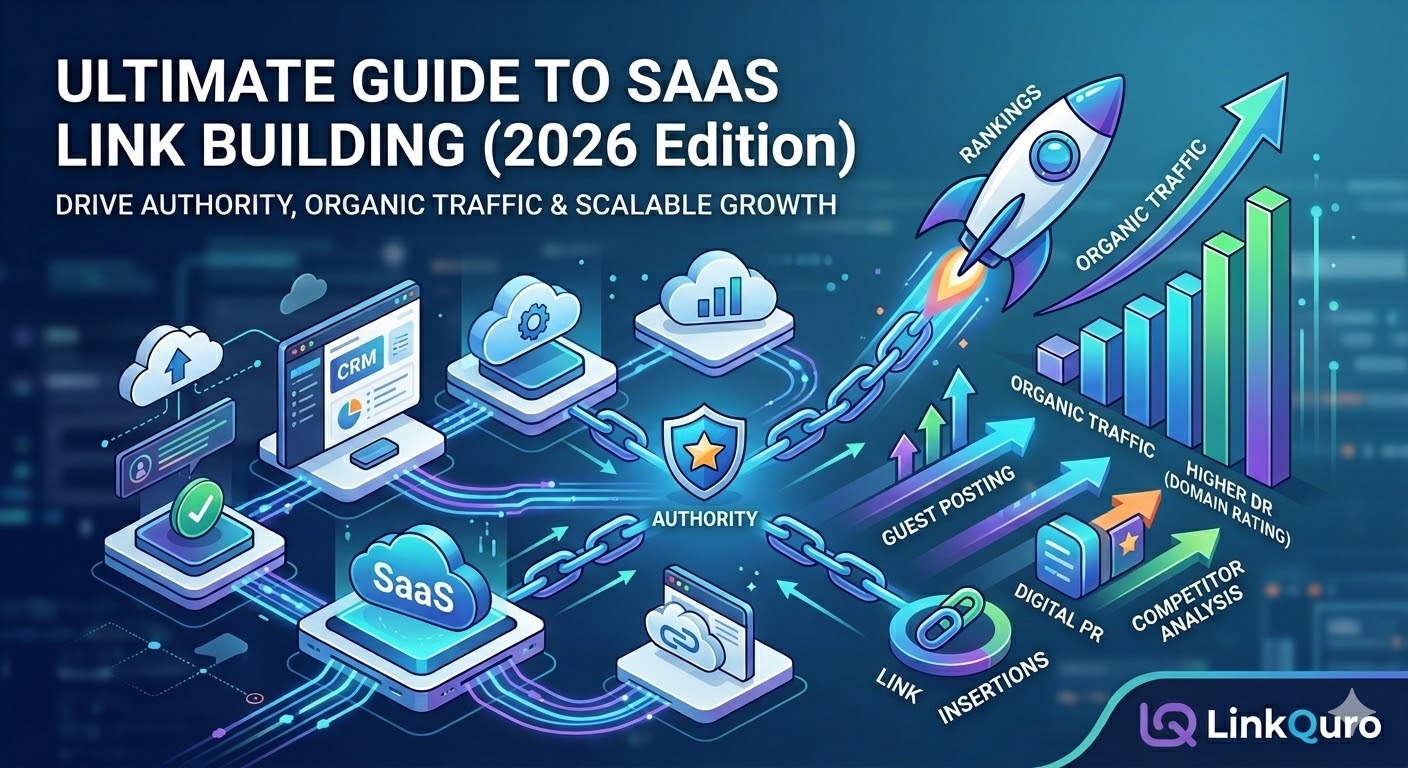
For businesses operating in the local area, tier-two links can frequently be sourced from regional blog sites, specific niche directories, or local news aggregators. These do not need the exact same level of prestige as tier-one links, but they should still be appropriate. The integration of Michael Swart Projects requires a disciplined method to source selection and anchor text distribution. If the tier-two layer is too messy or uses excessively aggressive industrial anchors, it can put the tier-one link at danger of being marked down or disregarded. Balance is the essential to scaling authority without setting off red flags.
The Function of Content Decay and Upkeep in 2026
A typical mistake in link structure is the "set it and forget it" mentality. In 2026, the lifespan of a link is shorter than ever. Search engines often re-evaluate the status of a page. If a page that was once popular unexpectedly stops receiving new signals, its ability to pass authority drops. Structural structure resolves this by supplying a continuous stream of signals to the primary and secondary tiers. This keeps the entire network "warm" and makes sure that the authority stays active over several years.
Managing this requires a high degree of organization, especially when handling technical offerings that alter rapidly. Material needs to be upgraded, and new tier-three links-- which may include social signals or premium web 2.0 profiles-- need to be added to the most crucial tier-two properties. This continuous upkeep prevents the structural collapse that often happens throughout significant algorithm shifts. It produces a moat around the site's rankings, making it much harder for rivals in the local market to displace them just by buying a couple of costly links.
Velocity and Anchor Text Strategy
The speed at which links are obtained, referred to as link velocity, is a significant element in 2026. A sudden spike in direct links followed by overall silence is a clear indication of manual manipulation. Structural structure permits a more natural speed due to the fact that the bulk of the activity happens at the lower tiers. While only one or 2 tier-one links might be added monthly, dozens of tier-two and tier-three links can be constructed around them. This creates a "long tail" of authority that looks organic to automated filters.
Anchor text need to also be handled throughout the entire structure. In the past, individuals would use their primary keyword as the anchor for each link. Today, that causes immediate charges. A structural method uses top quality or naked URL anchors for the primary tier, while the secondary tiers utilize more descriptive and long-tail variations. This disperses the keyword relevance across the network. By the time the authority reaches the main website in the region, it is backed by a diverse range of semantically associated terms. This makes the ranking for the target product feel made rather than forced.
Technological Combination in Link Structures
Using automated monitoring tools has become a basic part of structural building in 2026. These tools track the status of every link in the chain. If a tier-two link decreases, the system alerts the team so it can be changed before it affects the tier-one asset. This level of accuracy is essential because of how rapidly the web changes. Websites are sold, domains expire, and material is deleted daily. Without a structural map, it is impossible to understand which losses are injuring the bottom line.
Data analysis also assists in determining which "areas" of the web are presently supplying the most worth for industry-specific goals. Some niches might respond much better to news-heavy structures, while others require more scholastic or forum-based support. Observing the patterns of effective sites in the current market can provide a blueprint for which structural shapes are currently preferred by the AI-driven crawlers. Adjusting the structure to fit these patterns is a core part of scaling authority successfully.
Future Proofing the Authority Model
As online search engine continue to develop, the definition of a "link" might alter. We are already seeing the impact of brand mentions and unlinked citations in 2026. A structural technique can easily integrate these signals. A tier-three layer may consist completely of social points out and brand conversations that don't even include a clickable link, yet they still supply the "noise" and "context" that search engines use to verify the significance of a tier-one publication. This holistic view of authority is the only method to remain pertinent in a market where traditional SEO techniques are rapidly reduced the effects of.
Efficiency in this procedure comes from building systems that can be reproduced across various pages. As soon as an effective structure is determined for a particular solution, it can be adapted for other locations of business. This creates a scalable design for growth that doesn't depend on luck or the temporary favor of an algorithm. It counts on the fundamental concept that authority is built through a network of trust, and a network is only as strong as its weakest connection. By concentrating on the architecture of the whole profile, services can achieve a level of supremacy that single-layer strategies can never ever match.
The approach structural link structure represents a maturation of the SEO market. It is no longer about finding a shortcut to the top of the search results page. It has to do with constructing a digital presence that has the depth and support needed to withstand the fluctuations of a highly competitive 2026 environment. For those seeking to grow their existence in the region, the financial investment in a multi-tiered approach is the most reputable path to long-term visibility and authority.