Mastering the Blueprint of Modern Site Architecture
Modern Authority Architectures in the local market
Browse rankings in 2026 depend less on the raw number of backlinks and more on the structural integrity of a website's profile. Simple guest posting or directory site submissions no longer move the needle for competitive terms in the professional sector. Instead, search engines prioritize the context and the strength of the secondary nodes supporting a direct link. This shift has actually caused the rise of structural link structure, a method that deals with authority as a multi-layered building and construction rather than a single-point connection. The objective is to develop a structure that imitates natural web development while preserving adequate control to influence specific keyword targets.
Conventional techniques typically focused on a flat profile where every link pointed directly to the homepage or a particular service page. In 2026, this method looks suspicious to modern crawling algorithms that examine the "area" of a backlink. If a high-authority site links to a company, but that high-authority website has no supporting links of its own, the value passed is very little. Structural building addresses this by producing tiers. Each level of the structure has a particular function, guaranteeing that the last link pointing to the main site carries the optimum possible weight. This logic applies whether an organization is targeting a regional audience in the region or a broader national market.
Developing the Primary Layer for specialized solutions
The very first tier of any structural project includes the greatest quality placements offered. These are the direct links from established, high-traffic publications within a relevant niche. In the existing 2026 environment, these links are hard to get and frequently represent the biggest portion of a marketing spending plan. Nevertheless, their efficiency is restricted if they stand alone. Prioritizing Michael Swart Controls assists keep a tidy profile while offering the necessary signals to please the most recent algorithm updates. These tier-one links serve as the "bridge" between the broader internet and the specific pages a service wishes to rank.
Quality at this level is non-negotiable. Browse bots now utilize innovative semantic analysis to figure out if a link exists since of authentic editorial benefit or if it was positioned purely for SEO. To pass this test, tier-one material should supply real worth to readers in the surrounding areas. It requires to resolve an issue, provide information, or use a special viewpoint on industry trends. When these links are supported by lower tiers, they become more resistant to the "link decay" that typically happens when a page loses its preliminary freshness after a few months.
Reinforcing the Base with Secondary Tiers
Tier 2 is where structural structure genuinely distinguishes itself from standard outreach. The focus here is not on the primary site, however on the links established in tier one. By building links to the guest posts, news release, and short articles that already indicate the target site, an authority multiplier is created. This procedure imitates how information naturally goes viral. When a significant post is published, other blog sites and news websites usually reference it. Creating this artificial but pertinent secondary layer tells online search engine that the primary link is an important piece of material.
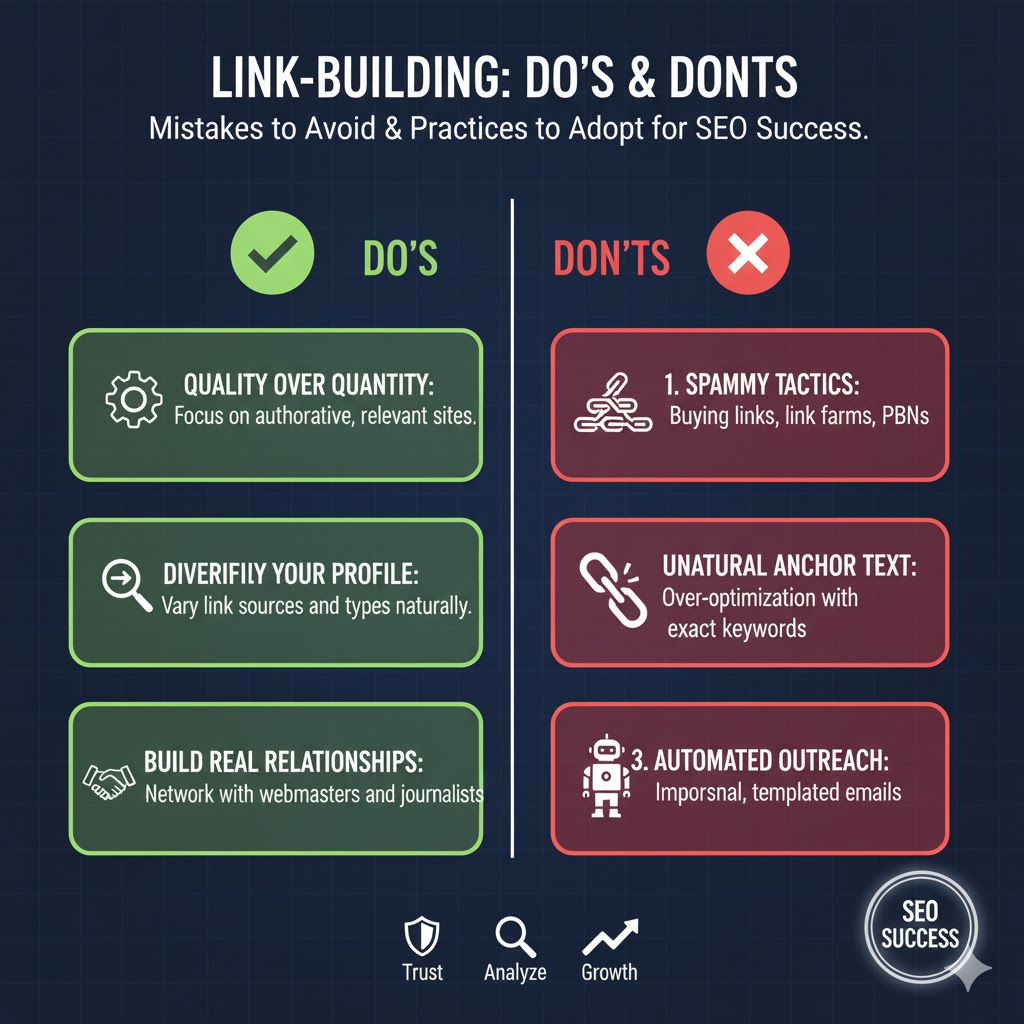
For companies operating in the local area, tier-two links can typically be sourced from local blog sites, niche directory sites, or local news aggregators. These do not require the same level of eminence as tier-one links, but they need to still matter. The combination of Michael Swart Controls needs a disciplined method to source choice and anchor text distribution. If the tier-two layer is too untidy or utilizes overly aggressive business anchors, it can put the tier-one link at threat of being discounted or disregarded. Balance is the essential to scaling authority without triggering red flags.
The Function of Material Decay and Maintenance in 2026

A typical mistake in link structure is the "set it and forget it" mindset. In 2026, the life-span of a link is much shorter than ever. Search engines frequently re-evaluate the status of a page. If a page that was when popular all of a sudden stops getting brand-new signals, its capability to pass authority drops. Structural building resolves this by offering a constant stream of signals to the main and secondary tiers. This keeps the entire network "warm" and guarantees that the authority stays active over several years.
Handling this needs a high degree of organization, especially when dealing with technical offerings that change quickly. Material needs to be upgraded, and new tier-three links-- which may consist of social signals or high-quality web 2.0 profiles-- ought to be contributed to the most essential tier-two possessions. This continuous upkeep prevents the structural collapse that typically takes place throughout major algorithm shifts. It produces a moat around the site's rankings, making it much harder for rivals in the local market to displace them simply by purchasing a few expensive links.
Velocity and Anchor Text Strategy
The speed at which links are gotten, referred to as link velocity, is a significant consider 2026. An abrupt spike in direct links followed by total silence is a clear indication of manual adjustment. Structural building enables a more natural speed since the bulk of the activity happens at the lower tiers. While only one or 2 tier-one links may be included each month, dozens of tier-two and tier-three links can be constructed around them. This produces a "long tail" of authority that looks organic to automated filters.
Anchor text must also be handled across the whole structure. In the past, people would utilize their primary keyword as the anchor for every link. Today, that causes instant charges. A structural method utilizes top quality or naked URL anchors for the primary tier, while the secondary tiers use more detailed and long-tail variations. This distributes the keyword significance throughout the network. By the time the authority reaches the primary site in the region, it is backed by a varied variety of semantically related terms. This makes the ranking for the target product feel made rather than forced.
Technological Combination in Link Structures
The use of automated tracking tools has become a standard part of structural structure in 2026. These tools track the status of every link in the chain. If a tier-two link goes down, the system notifies the group so it can be changed before it impacts the tier-one asset. This level of accuracy is required because of how rapidly the web modifications. Websites are sold, domains end, and content is erased daily. Without a structural map, it is difficult to understand which losses are injuring the bottom line.
Data analysis likewise assists in determining which "areas" of the web are presently providing the most worth for industry-specific goals. Some niches may respond better to news-heavy structures, while others require more scholastic or forum-based assistance. Observing the patterns of successful websites in the current market can supply a plan for which structural shapes are presently favored by the AI-driven spiders. Adjusting the structure to fit these patterns is a core part of scaling authority effectively.
Future Proofing the Authority Model
As search engines continue to progress, the definition of a "link" might alter. We are currently seeing the impact of brand name points out and unlinked citations in 2026. A structural approach can quickly incorporate these signals. A tier-three layer might consist completely of social points out and brand conversations that do not even consist of a clickable link, yet they still supply the "noise" and "context" that online search engine utilize to confirm the significance of a tier-one publication. This holistic view of authority is the only method to stay pertinent in a market where standard SEO techniques are rapidly reduced the effects of.
Effectiveness in this process originates from developing systems that can be duplicated throughout various pages. As soon as a successful structure is identified for a specific solution, it can be adjusted for other locations of the organization. This creates a scalable model for development that doesn't count on luck or the short-lived favor of an algorithm. It depends on the fundamental concept that authority is constructed through a network of trust, and a network is only as strong as its weakest connection. By concentrating on the architecture of the whole profile, services can achieve a level of supremacy that single-layer methods can never match.
The move toward structural link structure represents a maturation of the SEO industry. It is no longer about finding a shortcut to the top of the search engine result. It has to do with building a digital existence that has the depth and assistance needed to endure the variations of a highly competitive 2026 environment. For those looking to grow their presence in the region, the investment in a multi-tiered method is the most reputable path to long-term presence and authority.