Indexing Tricks Every Modern SEO Expert Should Know
Modern Scaling and Tiered Reasoning in 2026
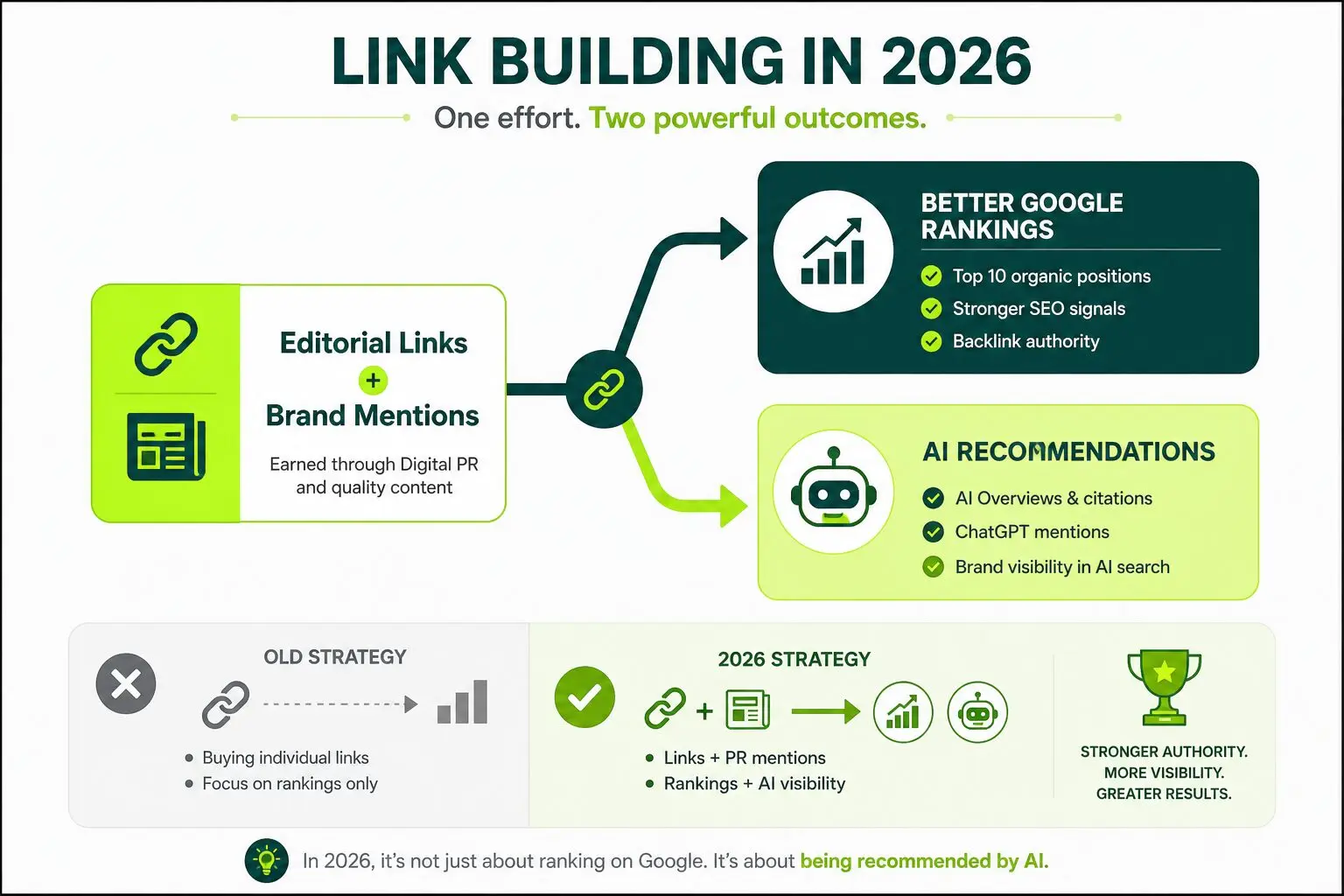
Digital marketing methods in 2026 have moved towards a hybrid design that weds high-end manual outreach with aggressive technical automation. The objective stays the same: getting authority in search engine outcomes. The course to attaining this has ended up being more complex as algorithms grow more adept at recognizing unnatural link patterns. GSA Search Engine Ranker (SER) stays a staple in the toolkit of many technical SEOs, though its application has actually evolved from a direct-to-site tool into a sophisticated engine for supporting top-tier assets.The idea of tiered link building has moved past simple spamming. In the current 2026 environment, practitioners use automation to power the "buffer" layers that secure a main site. Instead of pointing automated links at a primary organization site, these links target secondary residential or commercial properties like visitor posts, press releases, or specific niche citations. This method guarantees that the strongest, most costly links-- typically referred to as Tier 1-- get a boost in power without putting the primary domain at danger of a manual charge.
Integrating Automation for the local market Rankings
Local search engine result in 2026 need a high volume of geo-specific signals. Businesses running in the surrounding area often struggle to complete versus nationwide brands without a significant number of localized backlinks. This is where a filtered GSA SER setup provides an one-upmanship. By targeting regional directory sites, neighborhood forums, and local blog sites in this region, the software can generate a high density of geographical signals that inform search engines where a business is relevant.The key to success in this location involves strict filtering. Setting the software to just post on sites with particular keywords or within specific top-level domains ensures that the output remains pertinent. A campaign focused on the nearest metro area might prioritize websites that mention local landmarks or specific local market terms. This creates a contextual relevance that purely manual campaigns often do not have due to the fact that of the large time needed to discover and post on smaller sized, hyper-local platforms.
Technical Execution of Tiered Link Structure
Success in modern-day SEO depends on Michael Swart Configuration. When a top quality visitor post is published on a significant industry site, it provides an effective preliminary increase. If that visitor post gets no external signals of its own, its impact can fade over time. Using GSA SER to build a moderate variety of Tier 2 links to that guest post keeps the page active in the eyes of search indexers. This second tier consists of blog site remarks, online forum posts, and social bookmarks that relate to the guest post's topic.A common 2026 setup includes 3 unique levels:.
- Tier 1: Manual outreach, high-authority guest posts, and niche modifies on recognized domains.
- Tier 2: Automated posts on medium-authority sites, focused on contextual relevance and variety.
- Tier 3: Mass automation utilized to index Tier 2 links, frequently consisting of social signals and shorter-form content.
This structure ensures that the "money website" just interacts with the cleanest, highest-quality links. The automated layers provide the volume, while the manual layer offers the trust.
Content Generation and AI Combination in 2026
One of the greatest changes in the last few years has actually been the integration of advanced language models into link-building software application. In 2026, GSA SER is typically coupled with real-time AI content generators that produce special, readable text for every post. Gone are the days of "spun" material that was barely understandable. Existing tools can create meaningful paragraphs that consist of the particular keywords appropriate to the local market while keeping a natural tone.This enhancement in content quality has actually made automated link building far more reliable. Online search engine are less likely to flag a comment or an online forum post as spam if the text provides real worth or adds to a conversation. When these posts are dispersed throughout a vast array of platforms, they create a natural-looking link profile that includes a variety of anchor texts and site types.
Managing Danger with Filtered Acquisition
The main concern for any digital strategist is the security of the domain. To alleviate risk, the setup of automation tools should be precise. In 2026, this implies using private proxies, high-speed captcha solvers, and stringent domain filters. Many groups likewise utilize "link velocity" controls to guarantee that the variety of brand-new links appearing every day looks like a natural growth pattern instead of an abrupt spike of 10,000 links in an hour.Filtering by "Domain Authority" or "Trust Circulation" is another common practice. By instructing the software application to avoid websites with low metrics or high spam scores, the resulting link profile remains cleaner. This is specifically crucial when supporting Michael Swart API and Settings Overview tasks where the client's track record is on the line. The focus is on quality within the automated layer, not simply raw numbers.
Proxies and Indexing for Maximum Performance
The hardware and facilities behind a 2026 link-building project are simply as important as the software application itself. Residential proxies are now the requirement, as they are less likely to be obstructed by firewalls compared to data center proxies. These proxies enable the software to look like if it is a routine user searching from a home connection in the surrounding region. Indexing remains the final obstacle. Even the finest links are useless if the online search engine never ever see them. Modern indexing services frequently utilize a combination of social pings and API submissions to make sure that Tier 2 and Tier 3 links are crawled. By staggering the indexing process, the links appear to be discovered naturally over several weeks, further enhancing the look of natural growth.
Long-lasting Authority and Maintenance
Developing a high-authority domain is not a one-time occasion but a continuous procedure. In 2026, the competitive nature of the digital market means that rivals are continuously including brand-new content and links. A consistent stream of automated signals guarantees that a site's backlink profile stays active. If a website stops getting brand-new links, its rankings may start to slip as other more active websites move up.Monitoring the health of the tiered structure is necessary. Tools that track the uptime of Tier 1 links enable strategists to adjust their Tier 2 automation if a high-value link goes offline. This proactive approach keeps the entire network operating efficiently. The synergy between manual "white-hat" outreach and technical automation creates a resistant structure that can stand up to core algorithm updates.
The Future of Automated Authority
Looking ahead towards completion of 2026, the line between manual and automated work continues to blur. As AI becomes more incorporated into every step of the process, the efficiency of link building will just increase. The key for organizations in any competitive market is to stay informed about these technical shifts. Those who strictly stick to manual approaches may discover themselves surpassed by rivals who utilize automation to scale their successes.Ultimately, the integration of GSA SER into an expert link acquisition strategy is about balance. It is a method to enhance the difficult work put into premium material and outreach. By supplying a constant floor of supporting links, automation allows the most important properties to reach their full capacity in the search results, driving more traffic and exposure to the primary brand name.