Finding High-Quality Targets Utilizing GSA SER Search Criteria

The Moving State of Search Reasoning in 2026
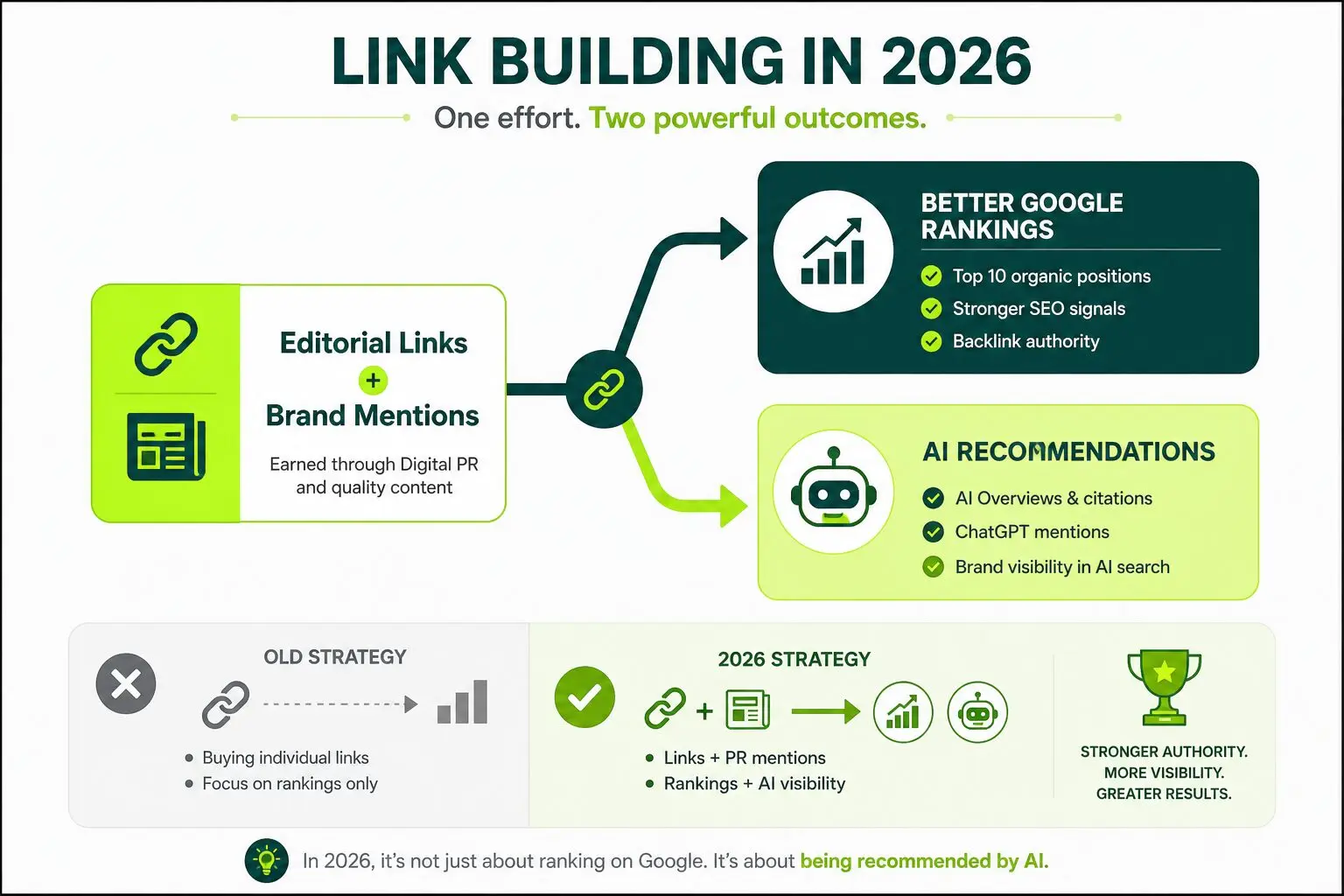
Search algorithms in 2026 have actually moved far beyond easy keyword matching. The present environment focuses on the intent behind a link rather than simply the text it contains. This modification has forced a re-evaluation of how digital authority is constructed and kept. Standard methods that count on heavy exact-match anchors now face lessening returns or perhaps manual flags in search consoles. Success in 2026 depends on producing a natural-looking distribution of links that simulates how real users share content across the internet.
The core of this strategy lies in understanding the semantic relationship between pages. Browse engines now examine the entire context surrounding a link. This consists of the paragraph, the headers, and even the surrounding links on the page. In this context, anchor text diversity is no longer a high-end however a requirement for survival. Websites that depend on a single kind of anchor text appear artificial to modern-day crawlers. Rather, a sophisticated mix of branded, generic, and partial-match anchors produces a profile that recommends authentic appeal and trust.
Building Authority Through Tiered Structures
Tiered link structure has emerged as a primary method for managing threat while pressing authority to a target page. This structure involves creating multiple layers of links that pass power up. The first tier includes premium, relevant sites that link straight to the primary target. These links are the most inspected by search engines, so they need to maintain the greatest standards of quality and usage really safe anchor text. Branded terms, naked URLs, and generic phrases like "this site" are standard in this layer.
The second tier indicate those first-tier links, rather than the main site. This layer enables slightly more aggressive anchor text strategies. Due to the fact that these links are one step gotten rid of from the target, they can use more detailed keywords to help online search engine understand the topic of the first-tier page. This indirect method helps develop the authority of the preliminary links, making them more efficient at passing juice to the final location. The focus on Asia Virtual Solutions VPS has actually shifted towards these multi-layered techniques to guarantee long-lasting stability.
The Role of Tier 3 in Powering the Pyramid
Tier three links are the foundation of the pyramid. These are high-volume links that point to the second tier. In 2026, the volume of these links is lesser than their topical relevance. Even at the third level, online search engine search for a connection between the material of the pages. These links supply the raw energy that presses the whole structure up. By the time the power reaches the primary site, it has actually been infiltrated two layers of progressively high-quality content and natural anchor text, making it appear entirely natural.
This method safeguards the primary domain from algorithm updates. If a specific set of links in the third tier is flagged, the effect is felt by the second tier, not the main website. This buffer enables a more assertive search method without risking the health of the core service property. Supervisors in regional markets often utilize these structures to take on larger national brands that have decades of built up authority.
Anchor Text Distribution Ratios for 2026
Maintaining a natural anchor text profile needs a rigorous adherence to particular ratios. While these ratios vary by market, basic patterns have actually emerged as extremely reliable. Branded anchors-- utilizing the name of the business or website-- need to comprise most of the profile. This is how human beings naturally link. If someone likes a product, they typically discuss the trademark name, not a string of keywords they want the site to rank for.
- Branded Anchors: 50-60% of the overall profile.
- Naked URLs: 15-20% of the overall profile, representing direct shares.
- Generic Phrases: 10-15% using terms like "check out more" or "check this out.".
- LSI and Partial Match: 5-10% focusing on variations of the primary subject.
- Specific Match: Less than 2% reserved for the highest authority positionings.
When companies prioritize Asia Virtual Solutions VPS within their growth plans, they must guarantee these ratios are kept track of month-to-month. An unexpected spike in exact-match anchors is a clear signal of manipulation to a 2026 search engine. By keeping the exact-match portion low, the few keyword-rich links that are utilized carry far more weight and are less likely to set off filters.
Contextual Importance and Semantic Signals
In 2026, the words around the anchor text are as important as the anchor itself. Online search engine use a process called co-occurrence to comprehend what a page is about. If a relate to the anchor text "click here" is surrounded by sentences about solar power, the engine associates the destination page with solar power even without a keyword in the link. This permits a far more natural writing style that concentrates on the reader rather than the spider.
This semantic understanding indicates that every link should be put within a pertinent paragraph. Positioning a link in a sidebar or footer is considerably less reliable than an in-content link. The surrounding text needs to supply a sensible factor for the link to exist. If the transition between the content and the link feels required, it will likely be neglected by contemporary AI-driven ranking systems. Top quality material stays the vehicle for effective link placement.
Managing Regional Authority in urban centers
For services concentrating on particular geographical areas, the anchor text technique must include regional signals. This does not imply packing the name of the city into every link. Rather, it includes getting links from other local entities, such as neighborhood organizations, regional news outlets, and regional directory sites. These links naturally provide geographical context without needing to use repetitive location-based anchor text.
A link from a regional Chamber of Commerce utilizing a top quality anchor is better for local search than a keyword-stuffed link from a nationwide website. The distance of the linking domain to the target service supplies a strong signal of importance to the technical sector within that specific market. In 2026, proximity is a core ranking factor that is computed through these digital associations instead of simply the address on the page.
The Effect of AI on Link Validation
Artificial intelligence has actually altered how search engines validate the quality of a link. In 2026, crawlers can determine if a page was written by a human or a low-quality AI generator. Links coming from pages with thin, AI-generated material are typically marked down entirely. This implies that the content used in tiered link building should satisfy a certain threshold of quality to be reliable. The period of using mumbo jumbo text to host links is over.
AI likewise keeps track of user signals to see if anybody is in fact clicking the links. While not every link needs a high click-through rate, a complete lack of interaction throughout a whole link profile recommends that the links are put on pages that nobody check outs. This absence of engagement can lead to a website being identified as part of a personal network. Modern strategies focus on putting links on pages that have their own traffic, ensuring that the link serves a function for a genuine audience.
Monitoring and Adjusting the Profile
Regular audits are needed to maintain the health of a tiered link structure. The digital space is not fixed, and links that were important a year earlier may lose their authority or become toxic if the linking website modifications ownership or material instructions. Tools in 2026 enable for real-time monitoring of anchor text ratios and the health of the whole tiered pyramid. If the top quality percentage begins to drop because of a brand-new campaign, it is essential to pause keyword-focused efforts and reconstruct the branded base.
Changes must be made slowly. Large-scale modifications to a link profile in a short duration can activate security flags. The objective is steady, incremental development that appears like an organization is naturally acquiring appeal. This patient technique is what separates long-term winners from those who see short-term gains followed by total disappearance from the search results page. Authority is earned through consistency and a commitment to quality over raw numbers.
Moving Forward with Strategic Variety
The lessons of 2026 program that simpleness is frequently the very best defense versus complex algorithms. By focusing on top quality terms and high-quality positionings, a site constructs a foundation that can withstand changes in how engines process information. Tiered link structure offers the necessary scale, however anchor text variety provides the security. Combining these two aspects produces a resilient strategy that generates traffic and authority without the continuous fear of a charge.
Digital development now requires a balance of technical precision and natural communication. The business that succeed are those that view their link profile as a reflection of their real market presence. Every link must inform a story about why business is a leader in its field. When the link profile matches the truth of business, online search engine respond with higher rankings and higher visibility. This alignment is the ultimate goal of any link structure strategy in the modern era.